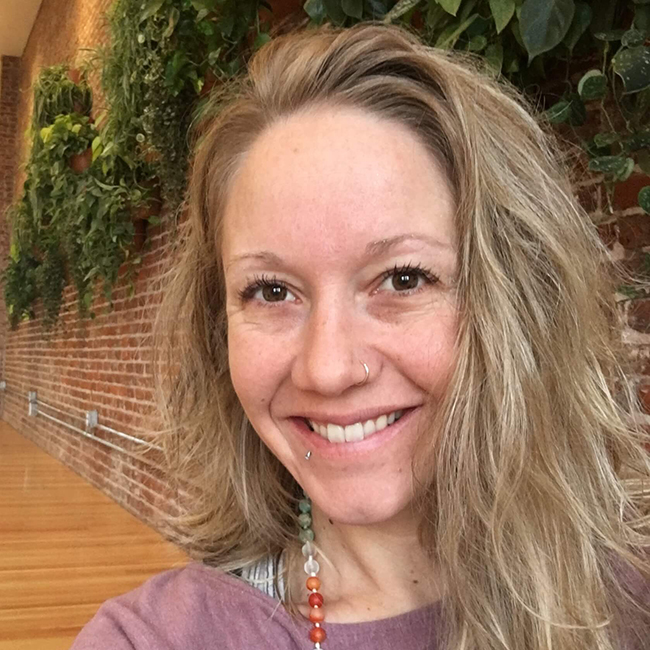
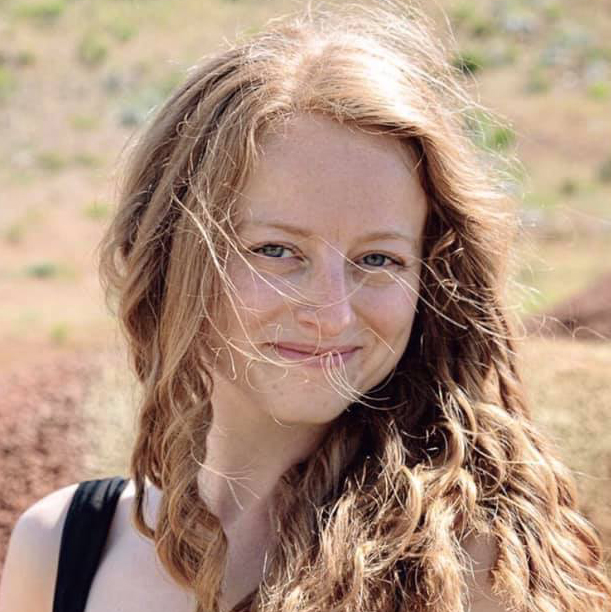
Toni Tassano
A trail-traveling tree-hugging forever student who loves to boogie. Passionate about the elderly, and known for her healing hands and heart.
We are a collective of powerful women who are constantly growing, and as we are ever-changing, so shall be our evolution of offerings, but always for our highest and greatest good as women, students, co-creators, and teachers.


A trail-traveling tree-hugging forever student who loves to boogie. Passionate about the elderly, and known for her healing hands and heart.
A truth-seeking, messy clean freak freedom fighter who speaks before she thinks. This chicken mama is a self-identified newbie forager, dancing dweeb, and food snob with mediocre cooking skills.
A newly converted pole dancer who loves lighting things on fire. She’s known for making bad puns sound…well, still bad, but told with contagious laughter.
Driven by passion, sleep deprivation, and a decent amount of caffeine. A homesteading, homeschooling, frolicking, bartering badass!
A glitter witch mama bear who lives in the kitchen, ties mala like a boss, and loves her some magic. A loving community and conjuring up tasty herbal infusions fuel her soul fire.
An enthusiastic entertainer and wellness influencer known for her steady squatting and mushroom foraging.
An intuitive and courageous seeker of joy, beauty, laughter and adventure. Here to teach expansive living, and to act as a muse and mentor for those led by Spirit.
Cras vulputate feugiat interdum. Cras mattis, augue id ves tibulum mollis, eros arcu cequat erat.
Here at Goddess Village we acknowledge, honor and respect the inherent ability to heal in all women. We support, love and uphold women of all ages, ethnicities, races, backgrounds, sexual orientations, religions, disabilities and biological sexes. We recognize that systems of oppression have prevented many women from fully embracing their worth and wellness, and strive to create a container where all women can feel empowered to heal.
Knowing that every woman comes from a unique place, we recognize that our goal to represent all women will not happen overnight. We are committed to the following action plan to achieve a truly representative healing group. This is an adaptable plan, and we welcome feedback.
“and suddenly you just know, it’s time to start something new and trust the magic of beginnings”
We are honored to have the privilege to learn and practice and share these healing modalities, and also recognize that many of our practices come from cultures other than our own and many have a complicated history. In an intentional effort to respect the modalities we cherish, we’ve asked all of our contributors to explore the origins and histories of their modalities.
Yoga originated in Northern India and was developed by the Indus-Sarasvati civilization about 5000 years ago. The first mention of the word yoga was in the Rig Veda, which is a part of a collection of texts that contain songs, mantras, and rituals only to be used by the Vedic Priests. The Rig Veda is important as it is the oldest known documentation that forms the foundation of Hindu beliefs. And although Yoga is deeply rooted in Hindu scripture and philosophy, it is now practiced by many cultures.
Yoga Nidra is an ancient and powerful meditation practice. It focuses on energy moving through the energetic sheaths of the body known as the Koshas using specific guided techniques including breathwork, a body scan, and visualizations. The practice began in India and is most associated with the Sankhya philosophy that dates back in its written form to 700 BC and 1000 BC through face to face teachings.
Emotional Freedom Techniques (EFT), aka “Tapping,” is a healing modality that combines stimulation of acupressure points with mindfulness techniques. It was developed in the 1990s by Adrienne Fowlie and Gary Craig, as a way of simplifying Dr. Roger Callahan’s Thought Field Therapy (TFT) for use as a self-help tool.
EFT and TFT truly originate in acupuncture, which is rooted in the Daoist tradition and believed to date back to several thousand years ago in China (however, there has been early evidence of similar techniques in other parts of the world). Acupuncture was adapted into several modalities on its way to being used in EFT: into Applied Kinesiology by American chiropractor Dr. George Goodheart, then into Behavioural Kinesiology by Australian psychiatrist John Diamond, then TFT by American psychologist Callahan, and eventually EFT by Craig and Fowlie. There have been other similar methods of combining acupressure with mindfulness developed by other psychologists, including Fred Gallo and Dr. Patricia Carrington. It is important to acknowledge that none of these modalities would be possible if not for the wisdom of the ancient practice of acupuncture.
Herbalism: The oldest written evidence of the use of plants as medicine dates back over 5000 years. Humans instinctively sought to use plants to treat and prevent illness. The Doctrine of Signatures is used to describe how the shape and look of medicinal plants also work physiologically in the body or are specified to certain body systems. For example, a walnut looks like the cross-section of a brain, and is also packed with fatty essential oils designed to nurture the nervous system. Using this ideology, people would seek treatment from the earth and she provided exactly what they needed. Over time the extraction methods have evolved and we now have the ability to manage and measure the potency of herbal medicine and have created evidence-based practice for its use.
Integrative Medicine recognizes that wellness is something that is individualistic and should be catered to each person rather than adhere to a flow chart for treatment. Each person has their very own distinct constitution. There are many streams that flow into Integrative or Functional medicine as a whole including: herbalism, nutrition, movement, sleep hygiene and mindfulness practices. It is also important to note that we use a multi-dimensional wellness model that considers: physical, spiritual, intellectual, emotional, social, occupational and environmental wellness when considering how to support our clients to realize their life’s full potential.
Yoga is an ancient practice that dates back over 5000 years, originating in India, and fuses physical poses, ancient scripture and spiritual practice. It is important to note that while the roots are deeply founded in Yoga as a way of life to realize enlightenment and a path that travels deep into spirituality; the modern world has made it popular with a focus primarily on the physical practice.
Yoga Nidra is simply a guided meditation that leads the practitioner through the subtle energetic layers of the body. The practice takes place in savasana, the dead man’s pose, and simply requires that the practitioner become as comfortable as possible and then, to listen to the guide’s voice. Nidra induces parasympathetic activity which allows the body to restore itself to a homeostatic set point. It has an incredible nurturing effect on the nervous system and allows the subconscious to create new neural-pathways even on a subconscious level. Be it health, breaking old patterns, or better sleep, this nourishing practice is for everybody. It is an ancient practice that dates over 5000 years and is most directly connected to the Sankhya Philosophy.