So the first foundation we are going to explore is Nutrition. This one might be a bit long because there is a lot of ground to cover to set up the rest of the foundations.
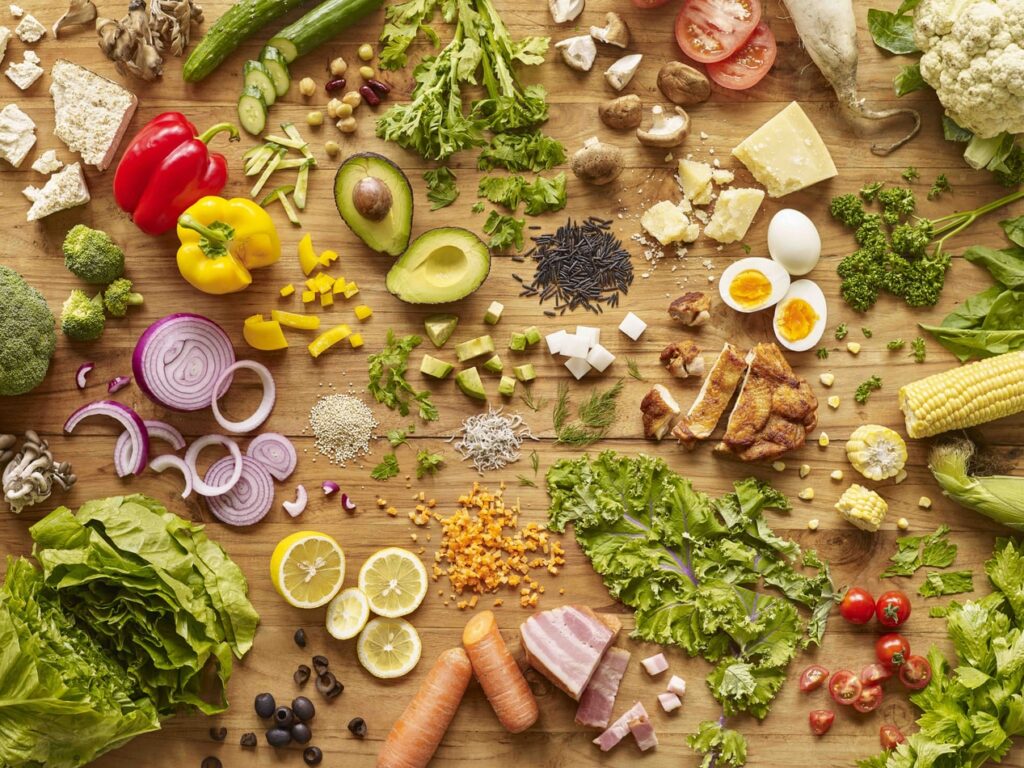
What is Nutrition?
Well, The Free Dictionary defines it:

Within the food we eat, there are nutrients, or the chemical substances necessary to sustain life. They provide energy in the form of calories, provide structure for our cells, and govern and support bodily functions.
There are essential nutrients that we need in order to keep on living and they must come from our diet. They can be broken into three basic categories: Water, Macronutrients (Fat, Carbs, and Protein), and Micronutrients (Vitamins and Minerals). Each of these categories play a role in the make-up of our body. This graph represents the average breakdown of the human body. There is obvious variation between people (eg. women typically have a higher fat percentage compared to men).

Water
Water is quite literally the most important nutrient in the body. You do get some of your hydration from the foods you eat but there is a reason that your doctor tells you you need to drink water. It is found everywhere in the body. When we become dehydrated our bodies can’t function optimally. Something as simple as increasing your water intake can improve your energy, help relieve achy joints, improve athletic performance, help injuries heal and a whole bunch of other great things we will dive into when we discuss Water in depth.
In the meantime, drink some water! Your body will thank you.

Protein
What about Protein? Protein provides the building blocks of the body. The body uses ~50,000 different proteins to build our organs, muscles, cells and tissues. BUT, not only does it provide the materials that become us, it is also super important in many different functions within the body such as building:
– enzymes (managers of our biochemical reactions)
– hemoglobin (our red blood cells that deliver oxygen around the body)
– antibodies (which defend us against infection)
– hormones (which regulate metabolism)
About 30% of our calories should come from high quality protein such as fish (wild caught is best), beef (grass fed if possible), poultry (pasture-raised), dairy products (from grass fed sources), nuts, seeds and legumes.
Fats
Moving on to Fats! Fat is actually a really important part of a healthy and nutritious diet. Contrary to mainstream low fat diet advice, it isn’t (necessarily) the fat making you fat. Fat is a great source of energy – there are more calories per gram of fat then either protein or carbs. We also need fat to absorb certain vitamins, regulate our energy and absorb other foods, it also increases our satiety (the feeling of fullness) and all around just makes food taste great!
BUT the quality of the fat you eat does matter. A lot of the processed fats that are common in the standard American diet of convenience food are rancid and detrimental to your health. You want to avoid trans, hydrogenated, partially-hydrogenated, highly processed vegetable oils and oils used to fry food. These types of fats and oils can interrupt the important tasks that healthy fats are accomplishing within the body.
So what are some good sources of high-quality, good-for-you, fat? Glad you asked, there are a lot.
- Fatty fish (again, wild caught when possibly) such as Mackeral, Salmon or Tuna
- Nuts and seeds and their oils- such as Flax, Sesame, Pumpkin, Almond, Macadamia
- Avocados, Coconut oil, Palm oil
- Fats from pasture raised animals
We should try to have about 30% of our nutrition come from healthy sources of fat. No more non-fat yogurt… go for the full fat. It tastes better anyway.
Whew… this is getting long and we still have Carbs, vitamins, minerals and minerals to go over. I am going to split this blog into two posts so it’s a bit easier to digest (pun intended).